Gold Market Guide
Understanding the Gold Market: How to Time the Sale of Your Jewelry
Key Summary
The gold market is shaped by global trends, economic shifts, and buyer practices. Timing and pricing awareness are essential for maximizing returns on gold jewelry. Understanding buyer types and market indicators helps ensure a smart and profitable sale.
You’ve got gold jewelry sitting in a drawer collecting dust, and with the market fluctuating, you’re unsure when or how to sell it to get the most cash. If you sell too early, you risk missing a price spike. If you wait too long, prices might plummet. Add to that the confusion around gold spot prices, dealer margins, and unreliable buyers, and it’s no wonder many people either hesitate or settle for less than they should.
This detailed guide will help you navigate the gold market confidently. You’ll learn how the market operates, what signals to watch, and how to evaluate your selling options
How the Gold Market Works
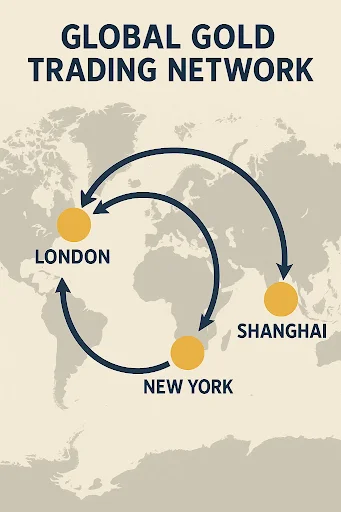
The gold market is a global, 24-hour trading system influenced by everything from economic stability to geopolitical events. Prices are determined primarily by supply and demand in international exchanges such as the London Bullion Market and COMEX (Commodity Exchange Inc.). These institutions establish the spot price, the current cost per ounce of pure gold, which serves as the benchmark for buyers and sellers.
Key Concepts:
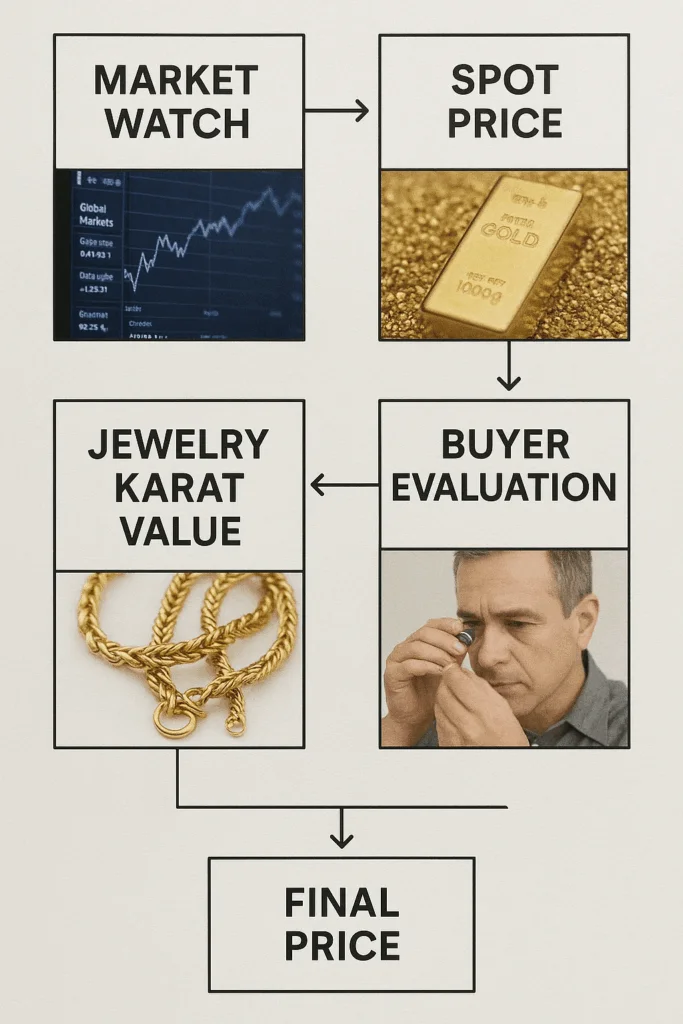
- Spot Price: The current price of an ounce of gold. The price of this item changes all the time because of supply and demand around the world and market conditions. It tells you how much your gold is worth at any given time.
- Bid/ask spread: The bid/ask spread is the difference between what buyers are willing to pay (the bid) and what sellers want (the ask). A smaller spread means that the market is more competitive and sellers can get better prices. You can figure out how much you might get by looking at the spread.
- Karat Value: Most jewelry isn't made of pure gold. You can guess the real value of gold by knowing the difference between 10k, 14k, 18k, and 24k. More pure gold is in higher karat gold, which makes it worth more per gram. Testing the carat of your gold will make sure you get the right price when you sell it.
- Troy Ounce: Gold is weighed in troy ounces, which are different from regular ounces (1 troy oz = 31.1 grams). People all over the world use this standard for measuring precious metals. Knowing how to convert will help you check the weight and value of your gold correctly.
Factors That Influence Gold Prices
Gold prices can shift dramatically, sometimes in a single day. Here are the primary forces at play:
- Prices of gold can change quickly, even in a single day.
- People often want gold more when inflation is high because they think it is a safe investment.
- When the US dollar is weaker, gold prices usually go up.
- Gold is more appealing when interest rates are low because it doesn't pay interest.
- Wars, elections, and other geopolitical events can make prices go up.
- When central banks buy or sell gold reserves, it can change the amount of gold available around the world.
According to a 2024 World Gold Council Report, central banks have continued to boost their gold holdings to mitigate currency risk, especially post-pandemic.
How to Track Gold Prices in Real-Time
To make informed decisions when buying or selling gold, it’s essential to monitor live spot prices daily. Gold prices can change multiple times a day due to shifts in the global economy, currency values, and investor demand, so staying updated is key.
Reliable tools include:
- Kitco Live Gold Price: A trusted industry source with real-time charts, historical data, and market analysis.
- Investing.com Gold Chart: Offers live pricing, technical indicators, and customizable timeframes for tracking trends.
- MarketWatch Gold Futures: Provides gold futures data, helping you anticipate potential market shifts.
You can also set price alerts on financial apps like Bloomberg, CNBC, or even Google Finance to get instant notifications when gold hits your target price.
For accuracy, compare prices from multiple sources, as small variations can occur depending on data providers. Remember, gold jewelry is not sold at spot price; dealers factor in refining costs, purity testing, and handling fees. Knowing the live spot price simply gives you a strong starting point for negotiation.
When Is the Best Time to Sell Gold Jewelry?
It's not a matter of luck when you time the market; it's about trends. In the past, gold prices have been highest when the economy was unstable, inflation was rising, and the stock market was volatile. You could make hundreds more by selling during one of these times.
Think about this:
- Sell when people are worried about high inflation or a recession.
- When there are wars or trade wars, prices tend to go up.
- Don't go during the holidays when dealers are busy.
- When the USD drops, gold usually goes up in value.
This Federal Reserve inflation data shows that gold prices went up a lot in 2022-23 when inflation reached all-time highs.
How Selling Scrap Compares to Selling Gold Jewelry
While scrap metal offers consistent income opportunities, it often pales in comparison to selling gold or silver jewelry in terms of per-ounce value.
According to The Difference Between Selling Gold Jewelry to a Pawn Shop vs. a Gold Buyer, gold buyers generally offer higher rates than pawn shops, making it a better route for valuable items. Similarly, gold is priced per ounce and is influenced by global markets, whereas scrap metal fluctuates based on supply, demand, and purity.
If you’re deciding between selling scrap or jewelry, consider:
- Volume vs. Value: Scrap metal requires bulk; jewelry pays high for even small weights.
- Market Volatility: Precious metals are more affected by economic trends.
Buyers: Jewelry may require reputable dealers; scrap can be sold locally.
Monthly Gold Price Trends and Suggested Actions
Month | Average Price Trend | Suggested Action |
January | Moderate Rise | Hold |
March | Slight Drop | Avoid |
June | Seasonal High | Ideal for Selling |
September | Spike Likely | Consider Selling |
December | Market Rush | Good Selling Opportunity |
Key Tips Before Selling Your Jewelry
It's not as easy as just walking into a store to sell gold. Use these smart tips to make the most money:
- Have a certified appraiser look at your jewelry
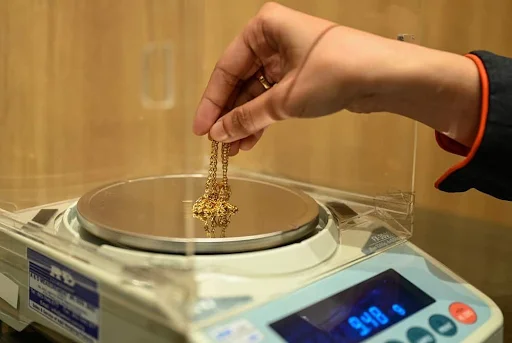
- Weigh your things and figure out how much each gram is worth based on carats.
- Clean your jewelry; how it looks can change how people see it.
- Get any receipts or certificates that prove they are real.
- Look at 3-4 offers before you choose one.
- Be careful of quotes that aren't clear or high-pressure tactics.
You might also want to read our guide on How to Spot a Reputable Gold Buyer to make sure you don't get scammed or get lowball offers.
Frequently Asked Questions
Is gold jewelry priced at the spot price?
No. Buyers deduct refining fees, weight loss in melting, and profit margins.
Should I sell gold when the price is highest?
Yes, but also consider your personal needs. Timing should balance financial goals and market highs.
Can I negotiate the offer price?
Absolutely. Especially if you’ve received a higher quote elsewhere.
What karat gold sells best?
24k sells at the highest rate, but 14k and 18k are more common in jewelry and fetch fair prices too.
Final Thoughts
When it comes to selling gold jewelry, timing is everything. You can make a lot of money by selling things you don't need if you know how the market works, keep an eye on trends, and pick the right platform. It's not just about the state of the market; trust and openness from buyers are just as important. Don't settle for less; do your research and look at all your options.
If you want to sell gold jewelry for cash, the best thing to do is to talk to several trustworthy buyers and keep an eye on the prices every day. If you know what you're doing, selling gold doesn't have to be hard. It can be very rewarding.
References
1. World Gold Council. (2024). Gold Demand Trends Report https://www.gold.org/goldhub/research/gold-demand-trends/gold-demand-trends-full-year-2024
2. Kitco. (2025). Live Gold Price Chart https://www.kitco.com/charts/gold
3. U.S. Federal Reserve. (2023). Consumer Price Index Data https://www.bls.gov/cpi/