Gold Purity Guide
How Gold Purity Is Measured: Understanding Karats and Assay Reports
Key Summary
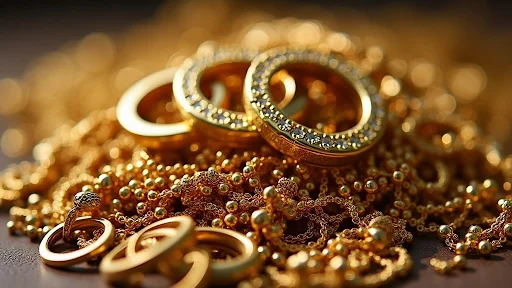
Gold's worth is defined by both its weight and purity. Understanding karats and assay reports is essential for buyers, sellers, and investors to ensure fair value. Knowing these measures also helps in identifying trustworthy dealers and making confident transactions.
People often think of gold as a safe place to put their money, a family heirloom, and a way to get cash quickly when times are tough. But the average person has a big problem: they don't know how to tell how pure their gold really is. People who don't know this could get paid less when they sell or pay more when they buy.
It's even more stressful when you realise that gold items look the same no matter what karat they are (10K, 18K, or 24K), and only expert testing can tell if they are real. Because of this lack of clarity, a lot of people are at risk of dealing with dishonest buyers, false claims, and even fake goods.
The answer is to learn about karats and assay reports, which are two widely used ways to measure the purity of gold. Once you understand how these systems work, you'll not only know how much your coins or jewellery are worth, but you'll also be able to negotiate better when you buy or sell.
What Does the Term "Gold Purity" Actually Mean?
The amount of real gold in an object as opposed to other metals mixed into it is known as gold purity. Since gold is naturally soft, it is frequently combined with other metals like copper, silver, or nickel to increase durability. Pure gold is 24 carats, meaning it contains no additional alloys. The gold's value and appearance are directly impacted by this mixture.
For instance, 14K gold jewellery is stronger than pure gold but has a lower intrinsic value because it contains 41.7% alloys and 58.3% gold. Since buyers typically consider both the weight and the karat before making an offer, this distinction is essential for anyone selling gold. Purity is crucial to optimising profits, as we outline in our comprehensive guide on Understanding the Gold Market: How to Time the Sale of Your Jewellery.
There are two common ways to express purity: fineness (parts per thousand) and karats (parts out of 24). Because these measurements are globally standardised, cross-border trade is guaranteed to be consistent.
Karats Explained: The Most Common Standard of Purity
The karat system is one of the oldest and most widely recognized ways to express gold purity. Each karat indicates one part of gold out of 24. For example, 18K gold contains 18 parts gold and 6 parts alloys, giving it a purity of 75%.
Here’s how common karat levels break down:
- 24K Gold - 99.9% pure, bright yellow, soft, mainly used for investment-grade coins and bars.
- 22K Gold - 91.6% pure, common in high-end jewelry in Asia and the Middle East.
- 18K Gold - 75% pure, durable and elegant, a popular choice in Western jewelry.
- 14K Gold - 58.3% pure, strong and affordable, widely used in the U.S.
- 10K Gold - 41.7% pure, very durable but less valuable.
According to the World Gold Council, understanding karat levels helps consumers avoid overpaying for lower-purity gold while ensuring transparency in transactions.
Understanding Assay Reports: Science Meets Verification
While karats indicate the theoretical purity, assay reports provide a scientific verification of the gold content. An assay is a professional analysis performed by accredited laboratories to confirm the exact composition of gold. These reports are essential for investors, jewelers, and sellers who want to prove authenticity and avoid disputes.
An assay report typically includes:
- The exact percentage of gold present.
- A breakdown of other metals mixed in the alloy.
- Testing method used (fire assay, XRF, etc.).
- Certification stamp of the lab.
This process adds credibility and helps sellers command better prices. For instance, if you’re considering whether to sell to a pawn shop or a professional buyer, a documented assay report can give you leverage..
Common Testing Methods for Gold Purity
Testing gold purity involves different methods, ranging from traditional to advanced. The most common include:
Acid Test
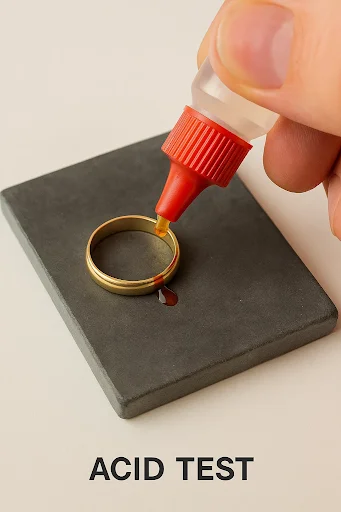
This method uses a drop of nitric acid applied to the gold surface to check its reaction. Different color changes indicate different karat levels. It’s a quick and affordable way to test purity, but it can be less accurate and may slightly damage the item.
Electronic Testers
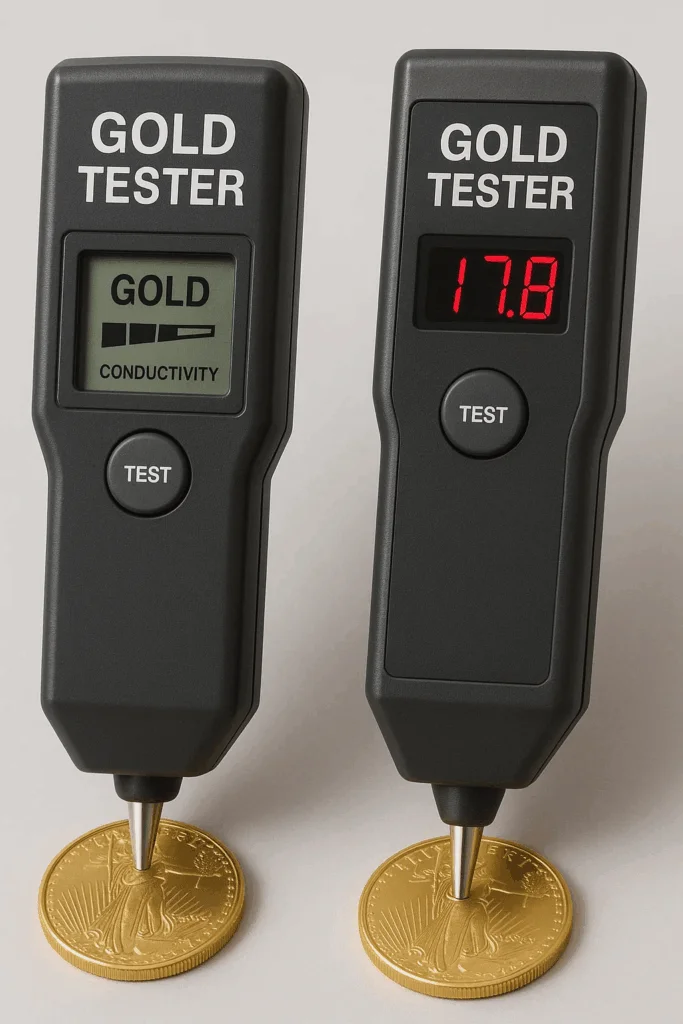
These devices measure the electrical conductivity of gold to determine its purity level. They provide quick, non-destructive results and are easy to use, making them popular for jewelers and small-scale buyers. However, while more reliable than acid tests, they may not always be as precise as professional lab methods.
X-Ray Fluorescence (XRF)
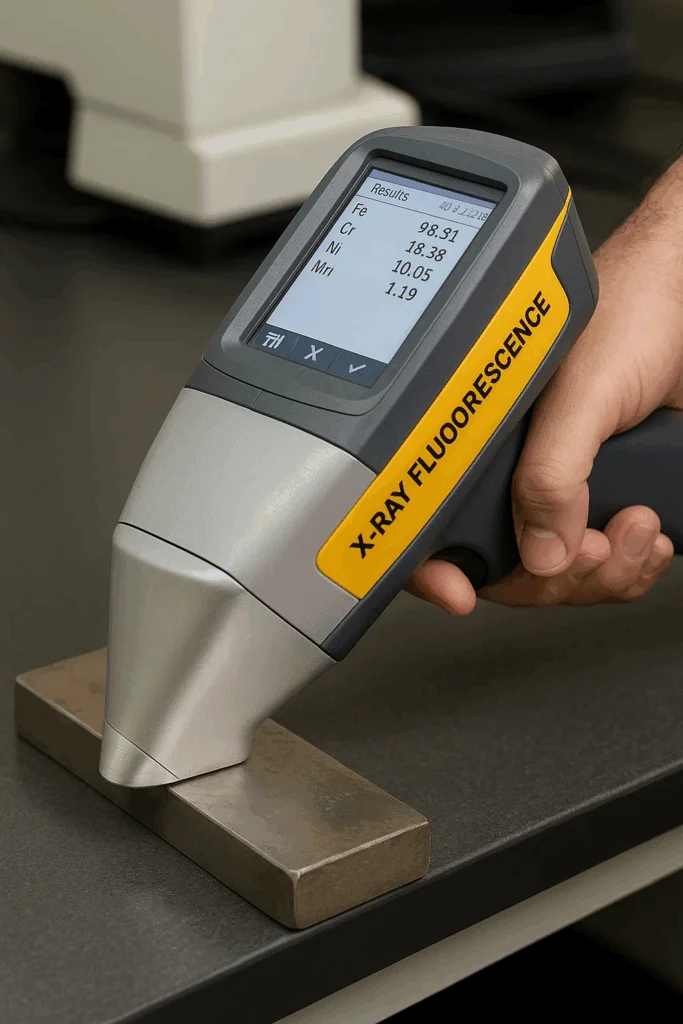
This advanced method uses X-rays to excite the atoms in gold and measure the energy they release, revealing its exact composition. It is highly accurate, non-destructive, and widely used in professional labs and refineries. However, the equipment is expensive, making it less accessible for small buyers or everyday testing.
Fire Assay
Known as the gold standard for testing purity, this method involves melting the gold and separating it from other metals to precisely measure its content. It is extremely accurate and trusted for official verification, but it is destructive since the sample is altered or lost during the process.

These methods are often combined for better reliability. Jewelers may use a simple acid test, while larger buyers or refineries rely on fire assays and XRF reports for final verification.
Why Gold Purity Matters in Buying and Selling
Pricing, resale value, and transaction trustworthiness are all directly impacted by the purity of the gold. Even if they weigh the same, a 24K gold coin will sell for more than a 14K necklace. Lack of understanding about karats could lead to large losses because buyers determine value based on both purity and weight.
Knowing the precise purity, for instance, helps you avoid receiving less money if you're trying to sell scrap gold. Sellers who have assay-backed gold frequently receive higher offers, according to our guide, The Best Way to Sell Your Scrap Gold: A Step-by-Step Guide.
Purity affects where you should sell as well. While in-person buyers might favour higher-karat jewellery, online platforms frequently undervalue lower-karat items despite their convenience promises. This balance is thoroughly explained in our blog post on The Pros and Cons of Selling Your Jewellery Online vs. In-Person.
Comparison of Karat Levels and Purity Percentages
Karat Level | Purity (%) | Fineness (parts per 1000) | Common Uses |
24K | 99.9% | 999 | Coins, bars, investment gold |
22K | 91.6% | 916 | High-end jewelry, traditional ornaments |
18K | 75% | 750 | Fine jewelry, engagement rings |
14K | 58.3% | 583 | Everyday jewelry, affordable designs |
10K | 41.7% | 417 | Durable, low-cost jewelry |
Frequently Asked Questions
What does “24K gold” mean?
It means the gold is 99.9% pure with almost no added alloys, making it soft and ideal for coins or bars.
Can jewelers mislead customers about purity?
Yes, which is why assay reports and hallmark certifications are important for verification.
Is 14K gold real gold?
Yes, it is 58.3% pure gold mixed with other metals for durability.
Do assay reports increase resale value?
Yes, because they provide scientific proof of purity, giving sellers leverage when negotiating.
Which method of testing is most accurate?
The fire assay is considered the most accurate, though XRF is widely used for non-destructive testing.
Final Thoughts
Gold purity is more than a technical detail, it is the foundation of trust, value, and fair trade in the gold market. By understanding karats and assay reports, sellers and buyers can protect themselves against undervaluation, fraud, and poor decisions. Whether you’re selling scrap, heirloom jewelry, or investment coins, knowledge is your strongest asset. If you’re exploring options for selling, always compare offers, look for certified buyers, and consider working with local gold buyers who provide transparency and trust.
References
- World Gold Council - Understanding Gold Purity Standards https://www.gold.org/about-gold/about-gold-jewellery
- U.S. Mint - Gold Coin Specifications https://www.usmint.gov/learn/coins-and-medals/circulating-coins/coin-specifications?srsltid=AfmBOooC0L183eZtxFYt4YThM-yV-EcWe5TllwXH0L9xUbfOhH1bUkSV
- Investopedia - How to Test Gold Purity https://www.investopedia.com/ask/answers/06/investingingold.asp