Jewelry Selling Guide
The Pros and Cons of Selling Your Jewelry Online vs. In-Person
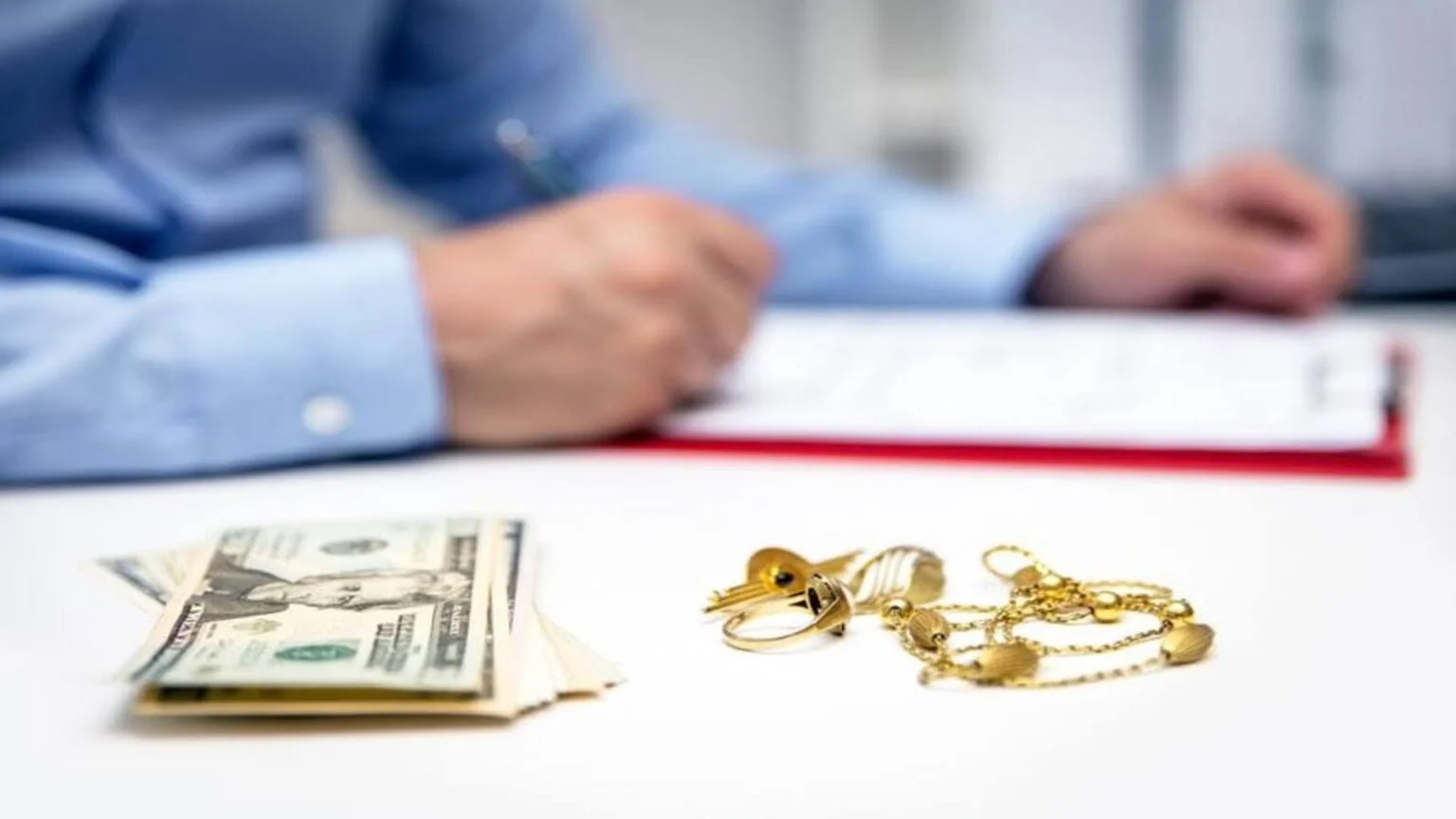
Selling jewelry can be challenging, especially when deciding between online and in-person sales. Each method has unique benefits and drawbacks that impact profitability, customer reach, and operational efficiency. Choosing the wrong platform could mean missed sales, higher costs, or unsatisfied customers. Online sellers face fierce competition and shipping hassles, while in-person sellers struggle with limited reach and high overhead expenses.
This comprehensive guide breaks down the pros and cons of both approaches, helping you make an informed decision. Understanding these key differences will optimize your sales strategy, whether you're a small artisan or an established jeweler.
Selling Jewelry Online: Pros
1. Wider Audience Reach
One of the biggest advantages of selling jewelry online is the ability to reach a global audience. Unlike a physical store limited by geography, an online shop allows customers from different cities, states, or even countries to browse and purchase your pieces. Platforms like Etsy, eBay, and Instagram provide exposure to millions of potential buyers. Social media marketing and search engine optimization can further amplify your visibility, ensuring your jewelry gets in front of the right people. This expanded reach increases sales opportunities and helps build a loyal customer base over time.
2. Lower Overhead Costs
Running an online jewelry business typically involves fewer expenses compared to a brick-and-mortar store. You do not have to worry about rent, utility bills, or in-person staff salaries. Instead, costs are mainly tied to website hosting, digital marketing, and shipping. Many online sellers operate from home, reducing startup costs significantly. Platforms like Shopify or WooCommerce also offer affordable e-commerce solutions with customizable storefronts, making it easier to establish a professional online presence without a large investment.
According to the U.S. Small Business Administration, online businesses typically have lower startup costs than physical stores. You can save on expenses like commercial leases and in-person staffing while maintaining a professional digital storefront through platforms like Big Cartel, Squarespace, or Shopify.
3. Convenience and Flexibility
Selling online offers strong flexibility in working hours and business management. You can list new items, respond to customer inquiries, and process orders at any time, making it useful for a side hustle or work-from-home setup. Automated tools like chatbots, inventory systems, and payment processors streamline operations and reduce manual workload.
Managing an online jewelry business also helps when you need to adjust prices quickly based on current precious metal values. If you are selling gold jewelry, review our guide on Top Mistakes to Avoid When Selling Your Gold Jewelry before listing valuable pieces.
4. Access to Valuable Data and Analytics
Online sales platforms provide detailed analytics that help you understand customer behavior, track sales trends, and optimize marketing strategies. Tools like Google Analytics, Facebook Insights, and Shopify reports reveal which products are popular, where traffic comes from, and which marketing campaigns are most effective. This data-driven approach helps refine inventory, pricing, and promotions to maximize profitability.
The Etsy Seller Handbook provides guidance on interpreting shop metrics and improving conversions for online jewelry sellers.
5. Ability to Showcase Jewelry Creatively
With high-quality photos, videos, and 360-degree views, online platforms allow you to present jewelry in the best possible light. You can use lifestyle images, close-up shots, and detailed descriptions to highlight craftsmanship, materials, and unique features. Social media platforms like Instagram and Pinterest are useful for visual storytelling, while customer reviews and testimonials help build trust.
Selling Jewelry Online: Cons
1. High Competition and Saturation
The online jewelry market is highly competitive, with countless sellers offering similar products. Standing out requires strong branding, unique designs, and consistent marketing. New sellers may struggle to gain traction without a solid digital presence or budget for ads. Large e-commerce platforms often favor established sellers with higher sales volume, making it harder for newcomers to rank in search results.
2. Shipping and Handling Challenges
Shipping jewelry involves risks such as lost packages, transit damage, and fraudulent returns. Precious metals and gemstones require secure packaging and insurance, adding to operational costs. International shipping can create customs issues and longer delivery times. Managing returns and exchanges remotely can also be time-consuming, especially when buyers are unhappy with the product's appearance in person.
When shipping valuable pieces, secure handling matters. Our guide on The Best Way to Sell Your Scrap Gold covers practical shipping and appraisal considerations.
3. Lack of Personal Interaction
Unlike in-person sales, online transactions lack the personal touch of face-to-face interaction. Customers cannot try on jewelry before buying, which can lead to higher return rates. Building trust can be difficult for high-value items where buyers want assurance of authenticity. Scams and counterfeit concerns may also make customers hesitant to buy jewelry online without seeing it first.
4. Dependence on Technology and Digital Marketing
Running an online jewelry business requires continuous work in digital marketing, SEO, and social media engagement. Without consistent updates, listings can get buried under competitors' posts. Technical issues like website crashes, payment gateway failures, or platform algorithm changes can disrupt sales. Keeping up with digital trends takes time and expertise.
Selling Jewelry In-Person: Pros
1. Immediate Sales and Cash Flow
In-person sales allow instant transactions, eliminating the wait associated with online payments and shipping. Customers can pay and leave with their purchase the same day, improving cash flow. This is especially helpful for flea markets, craft fairs, pop-up shops, and local stores where impulse buys are common. Face-to-face interaction also allows upselling and bundling.
2. Personal Customer Experience
Physical interaction creates a memorable shopping experience where customers can touch, try on, and examine jewelry up close. Sellers can build rapport, answer questions in real time, and offer styling advice. Personalized service often leads to repeat buyers and word-of-mouth referrals.
3. Reduced Shipping and Return Hassles
Selling in person eliminates shipping costs, delays, and the risk of lost packages. Returns are less frequent because buyers inspect items before purchasing. This reduces logistical headaches and can improve customer satisfaction. For high-end jewelry, in-person sales also reduce fraud risks associated with online transactions.
Ready to sell your scrap gold for top prices?
Visit Cash For Gold Beckley today for an expert appraisal and instant cash.
Book an AppointmentSelling Jewelry In-Person: Cons
1. Limited Customer Reach
Physical stores or markets are restricted to local buyers, limiting growth potential. Foot traffic depends on location, and poor visibility can hurt sales. Unlike online stores, in-person sales do not benefit from global exposure, making it harder to scale quickly.
2. Higher Operational Costs
Renting retail space, paying utilities, and hiring staff significantly increase overhead expenses. Trade shows and craft fairs can also involve booth fees, travel costs, and setup investments. These fixed costs can eat into profits, especially for small sellers. When maintaining a physical location, you may consider diversifying into scrap metals, but our Top 5 Scrap Metal Selling Considerations article explains that licensing and scales can become additional expenses.
3. Time-Consuming and Labor-Intensive
Managing a physical store or attending events requires long hours, manual inventory tracking, and constant customer engagement. Unlike online automation, in-person sales demand hands-on effort, which may not suit every seller's lifestyle.
Comparison Table: Online vs. In-Person Jewelry Sales
Factor | Online Sales | In-Person Sales |
Customer Reach | Global audience | Limited to local buyers |
Overhead Costs | Lower, with no rent and minimal staffing | Higher, including rent, utilities, and staff |
Sales Speed | Delayed by payment processing and shipping time | Instant cash transactions |
Customer Interaction | Limited to digital communication | Personal, face-to-face service |
Shipping & Returns | Complex, with fraud and damage risks | Minimal because buyers inspect before purchase |
Marketing Dependency | High, with SEO, ads, and social media needed | Moderate, driven by local ads and word of mouth |
Frequently Asked Questions
Which is more profitable: selling jewelry online or in-person?
It depends on your business model. Online sales offer scalability with lower costs, while in-person sales can yield higher margins for luxury or custom pieces because of personalized service.
Is it worth it to sell jewelry online?
Starting a jewelry store online can be profitable if you research products, choose a focused niche, obtain inventory from reputable suppliers, or handcraft unique items.
How can I reduce shipping risks when selling jewelry online?
Use insured shipping, require signatures for high-value items, document the packaging process, and provide detailed product photos or videos to reduce disputes.
Do I need a business license to sell jewelry in person?
Most local governments require a vendor permit or sales tax ID for in-person sales at markets, stores, or pop-up events. Check your local requirements before selling.
Can I combine both online and in-person sales?
Yes. Many jewelers use online platforms for broad reach while attending craft fairs, pop-up events, or consignment shops for local exposure.
Is it better to buy jewelry online or in person?
If you prioritize personalized service, expert guidance, and the ability to see or try on pieces before purchase, a local jewelry store may be better. If convenience, price comparison, and wider selection matter most, online shopping can be a good option.
Final Thoughts
Both online and in-person jewelry sales have clear advantages. If you prioritize flexibility, low costs, and global reach, e-commerce can be ideal. If you value hands-on customer relationships and immediate sales, in-person selling may suit you better.
Many successful jewelers blend both methods, using online stores for wider reach while hosting occasional pop-up events for local engagement. Test both approaches to see what aligns with your brand, audience, and selling goals.